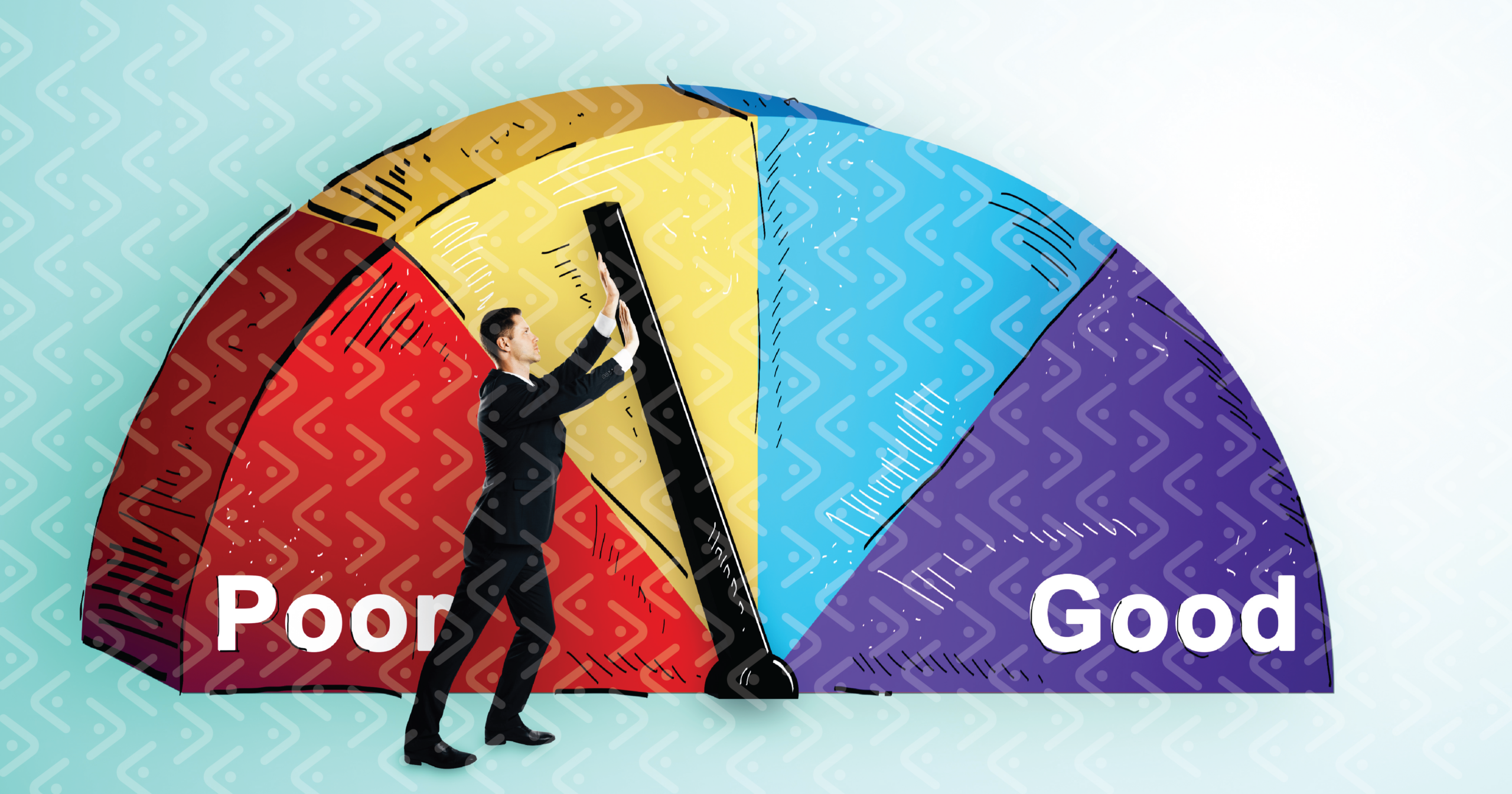
As you start or continue a journey with a credit score, it is important to understand the ins and outs of what credit is and what a good score can do for you. A credit score can be confusing but in this blog post, we break it down to make understanding your credit score simple.
What is a credit score?
Simply put, this is a number that shows a credit provider how worthy you are for receiving credit from them. They use this number to decide the interest rate they can offer you and how much they are able to lend you for what period of time. In short, with a good score you get better options and lower interest rates.
What is a FICO, Vantage and Empirica score?
A FICO score, Vantage score and Empirica score are different kinds of a credit score provided from a credit bureau. FASTA uses TransUnion as their credit bureau. TransUnion provides FASTA with the choice of a FICO or Empirica credit score.
Different credit scores are used to assess your credit risk for different credit products. For example, your credit worthiness for a home loan can be rated very differently to your credit worthiness for a retail store card.
What affects my credit score?
Breaking down all aspects of what your credit score is and how to make it good or remain good will make credit less confusing. Credit falls into categories and each one holds a different significance in your credit score. Knowing what goes where will guide you on your credit journey.
Payment history
Your payment history holds a significant amount in contributing to your credit score. This is counted as 35% to your overall score. This is determined by how often you pay back your debt and if you pay back on time or late. Missing one payment can negatively impact your score.
Amounts owed
The total amount of money you owe (are debted to) can affect your credit score by 30%. This impact is quite significant so by paying your debts on time or early you can avoid a negative score.
Length of credit history
The length of your credit history is simply the amount of time you have used credit as well as the average age of your credit account. This makes up 15% of your score. Having a credit history of at least 2 years will allow you to take more with lower interest rates. Also, depending on your credit score, if yours is high then the 2 years will be ideal.
New credit
New credit makes up 10% of your credit score. Some people think because it’s such a small amount that it doesn’t need attention. A little goes a long way and this is not to be overlooked. This part looks at the number of credit accounts you have looked at recently, as well as how many times lenders have made hard enquiries in the past 12 months.
Credit mix
Making up 10% of your credit score, the credit mix looks at people with a diverse profile. What is noted here is how someone manages a few loans at a time. For example, a person with a mortgage, student loan, short term loan and vehicle loan finance may have an easier time building credit than someone with just a credit card. As you have more payments to manage over time, this is helpful in building a good credit score. Start small, repay your loan on time, and then build up!
[code_snippet id=7 format]
What is a good credit score in South Africa?
The goal is to have a good credit score, but knowing what that is is the challenging part. Below is a view of all ranges of credit scores, and you are able to see where you fall in:
Exceptional
800 – 850
Very good
740 – 799
Good
670 – 739
Fair
580 – 699
Poor
300 – 579
Conclusion
Use this blog as a guide on understanding your credit score better. As overwhelming as credit seems, you need to start somewhere; why not start now? Use FASTA loans to kick start your credit journey. Apply now and see if you are eligible for a loan today!
[code_snippet id=7 format]