In today’s fast-paced world, the landscape of borrowing money has significantly evolved. Gone are the days when getting a loan meant lengthy paperwork, endless queues, and cumbersome processes. With ever-evolving technology, online loan providers have emerged, offering convenient and accessible options for individuals seeking financial assistance. However, traditional loan providers still hold a significant presence in the market.
In this blog post, we explore the differences between online and traditional loan providers in South Africa. We’ll also shed light on their respective advantages and disadvantages.
Traditional Loan Providers
Traditional loan providers in South Africa typically include banks, credit unions, and microfinance institutions. These entities have long been the primary source of financial assistance for individuals and businesses. Here are some key characteristics of traditional loan providers:
- Physical Branches: Traditional loan providers operate through physical branches, where customers can visit in person to inquire about loans, submit applications, and conduct other banking activities.
- Stringent Application Process: The application process for traditional loans often involves extensive paperwork and documentation. Applicants are required to provide proof of income, employment status, credit history, and collateral in some cases.
- Longer Processing Time: Due to the manual processing involved and the need for thorough verification of documents, traditional loan providers usually have longer processing times. It may take days or even weeks to receive approval for a loan.
- Strict Eligibility Criteria: Traditional lenders typically have strict eligibility criteria, including minimum credit score requirements and income thresholds. This can make it challenging for individuals with poor credit or irregular income to qualify for a loan.
- Face-to-Face Interaction: One of the advantages of traditional loan providers is the opportunity for face-to-face interaction with bank representatives. This can be reassuring for customers who prefer personalised service and assistance with their financial needs.
Online Loan Providers
Online loan providers have gained popularity in recent years, offering a streamlined alternative to traditional borrowing methods. These loan lenders operate exclusively online, leveraging technology to simplify the lending process. Here are the distinguishing features of online loan providers:
- Digital Platform: Online loan providers operate through digital platforms such as websites and mobile apps. Customers can access loan products, submit applications, and manage their accounts entirely online, without the need to visit a physical branch.
- Quick and Convenient Application Process: Applying for a loan with an online provider is typically quick and straightforward. Most platforms offer a user-friendly interface and require minimal documentation, enabling applicants to complete the process within minutes.
- Fast Approval and Disbursement: One of the main advantages of online loan providers is their ability to deliver fast approval and disbursement of funds. With automated systems, these lenders can assess loan applications quickly and transfer funds to approved borrowers within hours or even minutes.
- Flexible Eligibility Requirements: Online lenders often have more lenient eligibility criteria compared to traditional banks. While creditworthiness is still considered, some online providers offer loans to individuals with less-than-perfect credit histories or unconventional income sources like freelance work.
- 24/7 Access: Unlike traditional banks with limited operating hours, online loan providers offer round-the-clock access to their services. This flexibility allows customers to apply for loans or manage their accounts at any time, from anywhere with an internet connection.
[code_snippet id=7 format]
Comparison and Examples:
To show the differences between online and traditional loan providers in South Africa, let’s consider some prominent players in each category.
Traditional Loan Provider: Absa Bank
Absa Bank is one of the largest traditional lenders in South Africa. They offer a wide range of banking and financial services. As a traditional bank, Absa operates numerous branches across the country, where customers can visit to apply for loans, open accounts, or seek financial advice. The application process for an Absa loan typically involves filling out paperwork, providing documentation and undergoing a credit assessment. While Absa offers competitive interest rates and various loan products, the process may take several days to complete.
Traditional Loan Provider: PEP Loans
PEP, one of South Africa’s largest single-brand retailers, allows consumers to apply for a PEP loan in-store. In truth, a PEP loan is actually a choice between a Capfin loan and a Kanga loan, which you apply for in any PEP stores nationwide. Your documents are scanned in-store using a FICA device and then your application is sent to either Capfin or Kanga, depending on who you are applying with. A Capfin or Kanga representative will then contact you to complete the PEP loan application. You will need to bring a valid South African ID, your 3 latest bank statements, a valid bank account and a valid cellphone number.
Online Loan Provider: Wonga
Wonga is an online lender in South Africa, specialising in short term loans with quick approval and disbursement. Through its website, Wonga allows customers to apply for loans of up to R4000 and receive funds within minutes upon approval. The online loan application process is digital, requiring basic personal and financial information, along with consent for credit checks. While Wonga’s interest rates may be higher than those of traditional banks, its convenience and speed make it a popular choice for urgent cash needs.
Online Loan Provider: FASTA
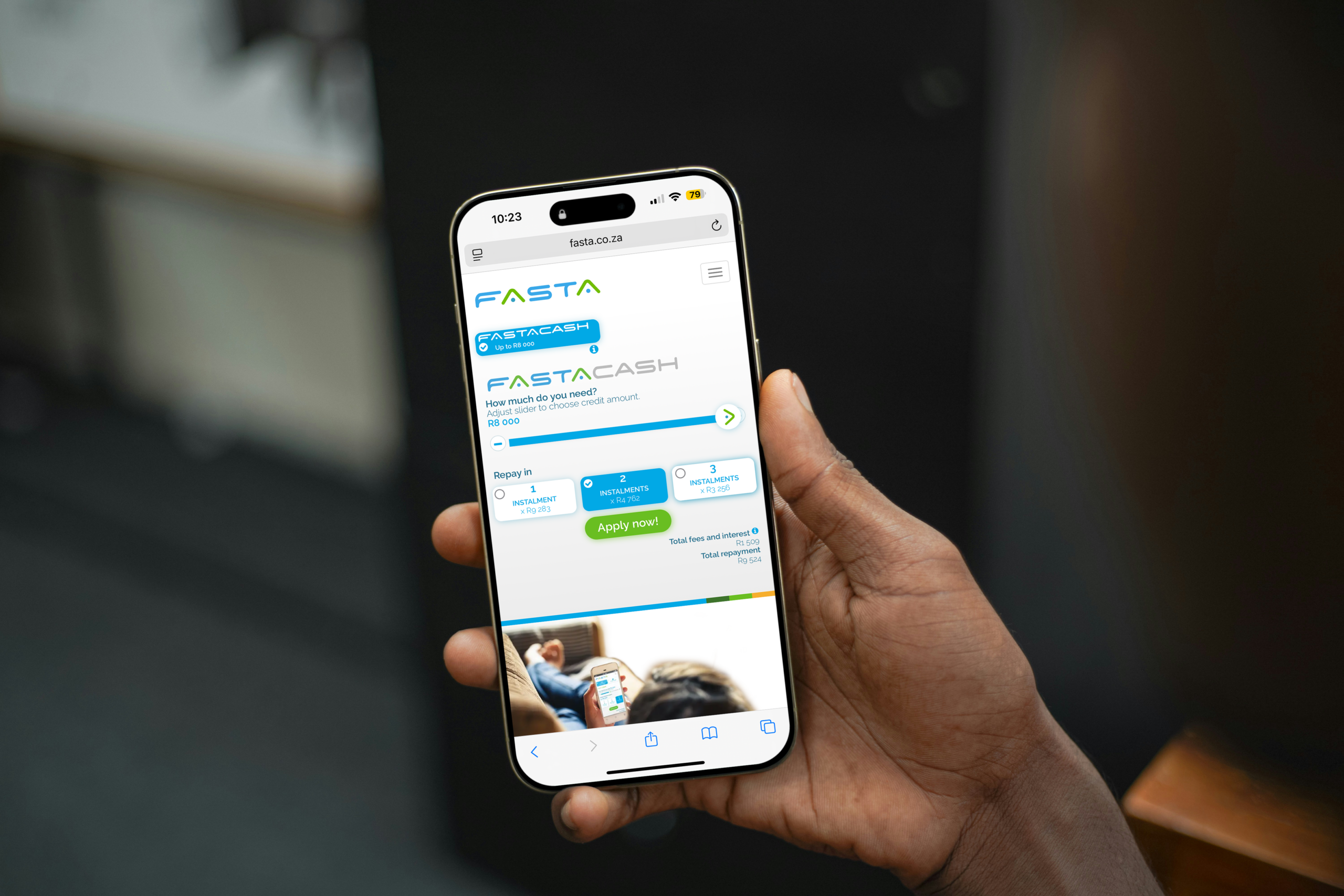
FASTA is a prominent online lender that provides South Africans with access to financial resource, quickly and securely. FASTA’s short term loan application process is easy to complete, and disbursement of funds can occur within minutes upon approval. Customers can apply for loans of up to R8000, repayable in 3 monthly instalments, and the funds can be deposited in one’s bank account (FASTACash) or a virtual card (FASTACard). Like Wonga, FASTA’s loan application process is digital, and will require the necessary documents and credit checks. The self-service Customer Support portal makes it easy to get in touch with FASTA, with the average response time to ticketed queries being within 4 business hours.
Conclusion
Both online and traditional loan providers play vital roles in the South African financial landscape, catering to diverse needs and preferences. While traditional lenders offer stability, reputation, and face-to-face interaction, online providers excel in convenience, speed, and accessibility. Ultimately, the choice between the two depends on factors such as individual circumstances, urgency of funds, and comfort level with technology. By understanding the differences outlined in this blog post, consumers can make informed decisions when seeking financial assistance in South Africa.
[code_snippet id=7 format]